




Very often, during the application of paints, sealants, resin floors, and other materials on construction projects, applicators, homeowners, and engineers raise the following question:
“Is a primer necessary?”
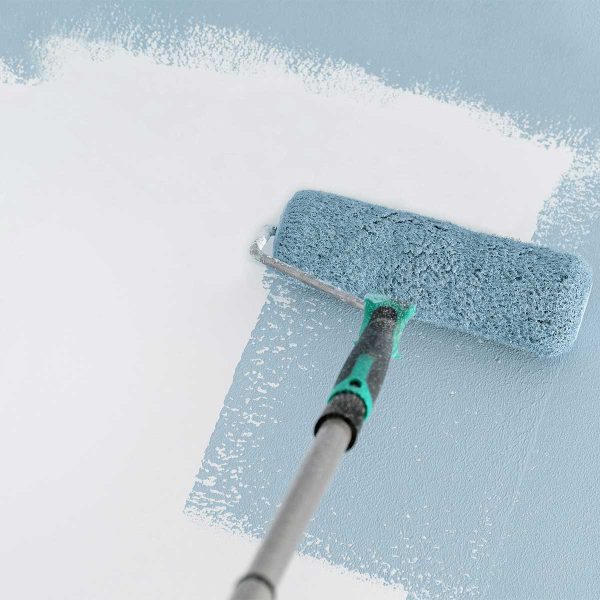
In the vast majority of cases, the answer is yes, the use of the appropriate primer is essential for the following reasons:
- The application of a primer significantly improves the adhesion of the material to the substrate, by up to more than 50%. By selecting the appropriate primer depending on the application and following the manufacturer’s instructions, optimal bonding between the material and the substrate is achieved, which has a direct positive impact on durability.
- In many cases, both in renovations and new constructions, we encounter unstable substrates. For example, walls that are dusty or substrates such as screeds or concrete that are friable and weak. The application of a primer with stabilizing properties improves the condition of the substrate, allowing safe application of the system without risk of failure and ensuring smooth project execution.
- In addition, the correct primer reduces the absorbency of the substrate and, where necessary, smooths minor surface irregularities (e.g. screed, concrete, plaster). This allows for an increased dry film thickness (DFT) of the subsequent material (e.g. paint, liquid waterproofing membrane). At the same time, it significantly enhances the final aesthetic finish.

Useful Tips
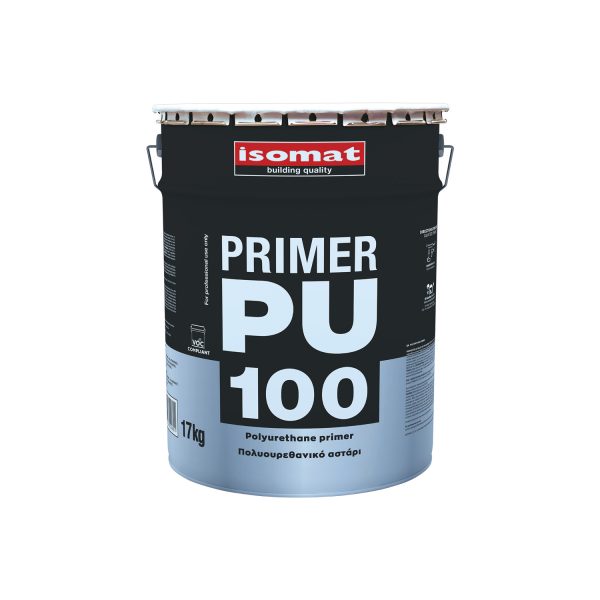
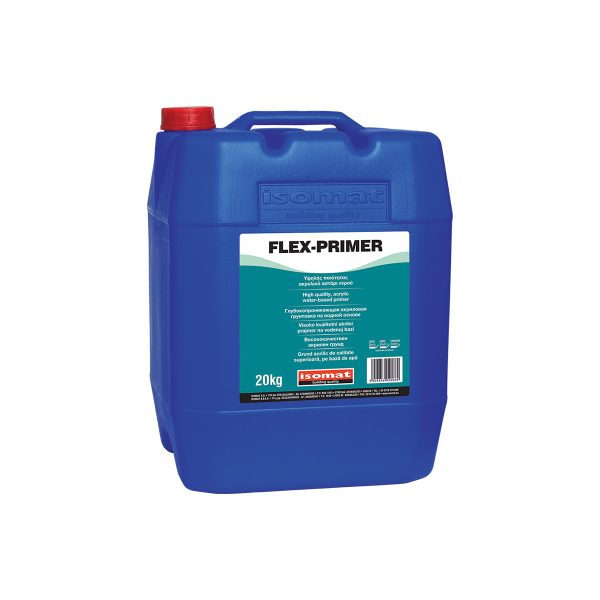
- Not all primers are suitable for every application. It is important to identify the type and condition of the substrate, the nature of the application, and the material to be applied, in order to select the appropriate primer.
- A critical factor for successful primer application is the required drying time. If project timelines need to be accelerated, consult the Technical Support Department of Hadjiyiannis for alternative “fast-drying” primer solutions.
- Special attention must be given to non-absorbent substrates, such as ceramic tile surfaces that need to be coated with liquid waterproofing membranes. Conventional primers are not suitable in such cases. Always consult Technical Support for proper guidance.
- Measuring the moisture content of the substrate using appropriate equipment prior to primer application is a crucial step in minimizing the risk of failure. Environmental conditions at the job site must also be taken into account, including temperature, humidity, wind, and the possibility of rain.